

Halo semuanya, ketemu lagi sama saya, Iman Prabawa. In this article, I want to talk about the meaning of the word [coy] in Indonesian. As always, we are also going to look at examples where the word [coy] is used and spoken by Indonesians.

Coy Meaning
[Coy] is usually used as a substitute for the person’s name and is used between close friends, so it is an informal word. It’s like “bro” and “sis.” Let’s look at example sentences below:
1. Lo mo ke mana, coy? (Where are you going, bro?)
2. Kok cara makannya gitu, coy? (Why do you eat like that, dude?)

[Coy] can also be used when you want to emphasize something. Let’s look at example sentences below:
1. Gelap, coy! (It is dark!)

[Coy] in the sentence [gelap, coy!] is used to emphasize that it is dark. In Indonesian, [coy] has the same meaning and usage as [cuy].
2. Indomie terenak sedunia, coii! (This is the most delicious Indomie in the world!)

In the picture above, this person writes it [coii] instead of [coy], but actually, those two [coy] and [coii] are the same word. It is just a variation in the writing.
[Coii] in the sentence above is used to emphasize that this is the best Indomie he has ever tasted.
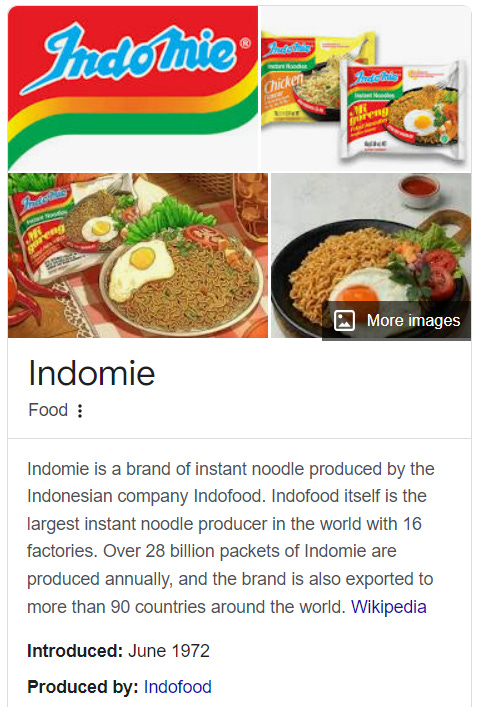
Indomie is a famous Indonesian noodle brand. It's very popular in Indonesia, and you can find it anywhere in Indonesia.
How to Pronounce Coy
Here is how you pronounce [coy] in bahasa Indonesia.
Moving on, let’s look at examples where Indonesians use and speak the word [coy].
Examples of Coy In Use
The first example we are about to watch is from Nex Carlos’ YouTube channel. Let’s watch the clip below.
Here’s what he says in the clip with English translations.
Nex Carlos: Gila, ini sih udah lama banget, ya. 1890. 1890, coy! Gila! Jepang aja belum dateng. Jangan-jangan ini tebalik kali, ya? Yang ngedit.. Spanduknya tebalik kali, ya? 1980 mungkin, ya? 1890 lama banget. Masuk. (Damn, this is so ancient! 1890. 1890, man! Insane! Japan had yet to come to Indonesia. It may be in reverse. The one who edited this... I guess this banner is a typo, maybe? It should be 1980, I guess? If it were from 1890, it would be damn old. Let’s come in.)
He was surprised by the restaurant’s age. That’s why, after saying 1890, he says the word [coy] to emphasize. So, [coy] is used to emphasize in this short clip.
Vocabulary From the Clip
[Gila] = crazy.
[Sih] doesn’t have any meaning here. For a more detailed explanation, you can read my article here:
Sih In Indonesian

Halo semuanya. Apa kabar? Ketemu lagi sama saya, Iman Prabawa a.k.a Pak Guru Iman. In this article, I want to talk to you about the meaning of the word [sih] in Indonesian. As always, we are also going to be watching examples from movies, comics, and others to better understand the meaning and to see how Indonesians use the word [sih] in their daily con…
[Udah] is short for [sudah] = already.
[Lama] = long, old.
[Banget] = very. For a more detailed explanation, you can read my article here:
Banget In Indonesian

Halo semuanya, ketemu lagi sama saya, Iman Prabawa. In this article, I want to talk to you about the meaning of the word [banget] in Indonesian. As always, we will also watch examples from movies where the word [banget] is spoken by Indonesians to better understand the meaning and how to use this word.
[Jangan] = don’t.
[Jangan-jangan] = perhaps, maybe.
[Jepang aja belum dateng] <--- By saying this, what he meant was that Japan came to Indonesia to colonize Indonesia in 1942. If this restaurant was established in 1890, it means Japan had yet to colonize Indonesia.
[Dateng] is informal for [datang] = come.
[Tebalik] = [terbalik] = [kebalik] roughly translates into [in reverse]. He drops the letter [r] there. It should be [terbalik], not [tebalik], but it’s common in conversational Indonesian for Indonesians to drop letters like this.
If you found this article helpful and would like to support my work, you can buy me a coffee. Thank you for your support!
So, that’s gonna be it for now. If you have any questions, feel free to leave them in the comments below. Thank you for reading my article, and I’ll see you soon.