

Halo semuanya. Apa kabar? Ketemu lagi sama saya, Iman Prabawa. In this article, I want to talk to you about the meaning of the word [lebay] in Indonesian. We will watch scenes from movies, YouTube videos, and whatnot where the word [lebay] is spoken, so you can see how Indonesian people use this word.
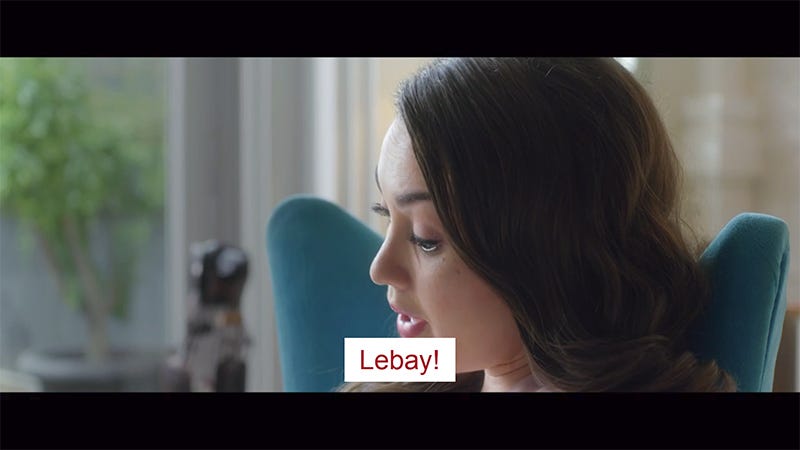
Meaning of Lebay
[Lebay] means to exaggerate something or to make something bigger, which, in fact, is not a big deal.
[Lebay] is used in daily Indonesian conversations and not in writing. [Lebay] came from the word [lebih], which means [more], and then you drop the letter [h] in there, and it becomes [lebi], and people in Indonesia like to pronounce it as in English to make it cooler, so it becomes [lebai]. That is where the word [lebay] came from.
I will give you an example. Someone is sick, and then the person is exaggerating that he’s about to die now, when, in fact, that person only got the flu.
A: Gue sakit nih! Kayanya gue sekarat dan mau mati deh. (I am sick. I think right now I’m dying!
B: Loe jangan lebay deh! Loe itu cuma flu doang kali! (Come on! You’re exaggerating! You only got a flu!)
So, as you can see, A is exaggerating his sickness, like he is going to die, which, in fact, is just the flu.
How to Pronounce Lebay
Here is how to pronounce the word [lebay] in bahasa Indonesia.
Let’s now watch examples from movies and whatnot where the word [lebay] is used by Indonesians.
Examples of Lebay In Use
The first example we are about to watch is from a movie called 3 Dara 2 (2018). Let’s watch the clip below.
Conversation from the clip with English translations.
Female: Oke. Pertanyaan pertama, apa pendapat kalian tentang wanita? (Okay. Here is the first question. What are your thoughts about women?)
Male 1: Kita harus menghormati wanita. Ha? (We have to respect women. Right?)
Male 2: Wanita itu adalah tonggak utama peradaban. (Women are the major milestone in civilization.)
Male 3: Tanpa wanita tidak akan ada kehidupan. (Without women, there would be no civilization.)
Male 1: Dan wanita merupakan mahkota berlian bagi.. (And women are diamond crowns for..)
Female: Lebay! (You guys are exaggerating!)
In the scene above, the woman asks 3 questions to the 3 men, and the woman thinks that the answers the men give him are somewhat exaggerated. That’s why she said to them [lebay].
Vocabulary From the Clip
[Pertanyaan] = question.
[Pertama] = first.
[Pendapat] opinion.
[Menghormati] comes from the base word [hormat], and then you add the prefix [me] and suffix [i] to it. [Menghormati] means to give respect.
[Wanita] = [perempuan] = women.
[Mahkota] = crown.
The second example is from a TV series called Tetangga Masa Gitu (2014). Let’s watch the clip below.
Conversation from the clip with English translations.
Angel: Jadi, ini.. (So, this..)
Adi: Aaaww!
Angel: Tunggu! (Wait!)
Adi: Apaan itu, Angel? Aku terkejut! (What’s that, Angel? I’m surprised!)
Bastian: Lebay banget sih, mas Adi! Telat kali. (Oh, please, Adi, you are exaggerating! Too late, you know.)
Adi: Ya kan biar istri senang, Bas. (I did that to make my wife happy, Bas.)
Angel: Ini yang bikin kamu pikir aku hamil? (This is what makes you think that I’m pregnant?)
Adi: Yes!
When Angel takes things from the box, Adi suddenly screams. He exaggerates his feeling of surprise, and that’s why Bastian said [lebay] to Adi.
Vocabulary From the Clip
[Apaan itu?] = [apa itu?] is the phrase when you want to know what something is.
[Terkejut] = feeling of surprise.
[Banget] has the same meaning as [sekali], which means [very]. [Banget] is usually used in daily Indonesian conversations, whereas [sekali] is used in a more formal setting. For more about this, you can read my article here:
Banget In Indonesian

Halo semuanya, ketemu lagi sama saya, Iman Prabawa. In this article, I want to talk to you about the meaning of the word [banget] in Indonesian. As always, we will also watch examples from movies where the word [banget] is spoken by Indonesians to better understand the meaning and how to use this word.
[Telat] = late.
[Istri] = wife.
[Hamil] = [pregnant].
[Pikir] = think.
The third example is from Bukalapak's YouTube channel. Let's watch the clip below.
Here’s what he says in the clip above with English translations.
Kemudian juga, banyak orang bilang bahasa Indonesia itu lebih mudah dipelajari dibandingkan bahasa apa pun di dunia. Yah, ngga apa pun lah. Itu lebay. Relatif mudah dipelajari. (And also, many people said that the Indonesian language is easier to learn than any language in the world. Not any language because it’s somewhat exaggerated. It’s easier to learn.)
Vocabulary From the Clip
[Kemudian juga] is used to connect sentences.
[Orang] = people, because.
[Dipelajari] = to be studied.
[Dibandingkan] = compared to.
[Mudah] = easy.
The fourth example is from a web series, Menggapai Awan (2019), on Umay Shahab’s YouTube channel. Let’s watch the clip below.
Here’s what she says in the clip above with English translations.
Alina: Ini kisah 4 orang siswa yang hidupnya didedikasikan untuk pendidikan. Cie elah! Lebay amat gue! (This is the story of 4 students who dedicate their lives to education. Oh, my God, I’m so exaggerating this!)
Vocabulary From the Clip
[Kisah] = story.
[Gue] = [gw] = [w] = [gua] are informal for [saya] = I. For more about this, you can read my article here
Gue In Indonesian

Halo semuanya. Apa kabar? Ketemu lagi sama saya, Iman Prabawa. Today, we’re going to talk about what [gue] means in Indonesian. As always, I’ll show you some examples from movies, YouTube videos, comics, and other real-life situations where Indonesians use this word.
[Amat] = [banget] = [sekali] = very.
[Cie elah!] actually has no meaning. It’s just an exclamation phrase to make what she says more dramatic.
The fifth example is taken from a movie called Garis Waktu (2022). Let's watch the clip below.
For the conversation with English translations, and also the explanation of the vocabulary from the clip above, you can read my article here:
Salah Tingkah In Indonesian

Halo semuanya. Ketemu lagi dengan saya, Iman Prabawa. In this article, I want to talk to you about the meaning of the phrase [salah tingkah], and as always, we will watch examples from movies and whatnot where the phrase is spoken by Indonesians.
The sixth example is from Hubungi Agen Gue, Season 1, Episode 1 (2023). Let's watch the clip below.
Conversation from the clip with English translations.
Surya: Lydia.
Lydia: Aduh. Apa lagi? (Oh, come on. What is it again now?)
Surya: Well.
Lydia: Apa? (What?)
Surya: Sejak ada ASA Plus kita selalu sama-sama, Lyd. (Since we started ASA Plus, we have always been together.)
Lydia: Iya. (Yes.)
Surya: Eh ni ya. Orang-orang itu sampe bilang kita tu udah kaya anak kembar. Ke mana-mana bareng. (Guys, people said we were like twins because we are always together everywhere we go.)
Lydia: Oke, oke, Sur. Udah, ya? Kamu pergi hanya satu minggu. Ngga usah lebay. Ini drama banget ni orang ni. Udah, yuk? Bye bye. (Okay, Sur. Enough, okay? You only go for one week. Stop exaggerating. He’s such a drama king. Bye bye.)
Surya: Oke, drama dikit? (Just a little? No?)
Lydia: Engga, ngga, ngga. Daah, daahh! (No, no, no. Bye, bye!)
Surya: Bye. Muach! (Bye. Mwah!)
Lydia: Muach! Salam buat Ghea. (Mwah! Tell Ghea I say hi.)
Surya: Aku sampaikan. Thanks. Bye. (I will. Thanks. Bye.)
In this scene, Surya is going on a week’s holiday to the Maldives. Here, Lydia says, “ngga usah lebay” to Surya because she knows Surya well enough that Surya is going to make this like it is the end of their togetherness, which, in fact, Surya is only going to leave them for a week, and then he will come back again.
Vocabulary From the Clip
[Aduh] is usually said when someone is in pain, but in this context, [aduh] means like, oh no, oh come on.
[Apa lagi?] in literal translation would be [what again?], and is usually asked by the seller to the buyer for something else that they need to buy.
[Selalu sama-sama] = [selalu bersama-sama] = always together.
[Eh ni ya] in this scene is used by Surya to attract people’s attention because Surya is going to tell them something. You can read my article: Eh Meaning in Indonesian.
[Orang-orang] = people.
[Sampe] is the conversational way of saying [sampai] = until.
[Bilang] = [ngomong] = to tell.
[Tu] is short for [itu] = that.
[Anak kembar] = twins.
[Udah, ya?] = [udah, yuk?] <-- It is a question used to end a conversation.
[Udah] is short for [sudah] = already.
[Engga] = [ngga] = [ga] = no.
[Salam buat (name of a person)] is used when you want to say hi to someone.
If you found this article helpful and would like to support my work, you can buy me a coffee. Thank you for your support!
That wraps up today’s article. If you have any questions, feel free to leave them in the comments below. Thank you for reading my article, and I’ll see you soon.