

Halo semuanya, ketemu lagi dengan saya, Iman Prabawa. In this article, I want to talk to you about the meaning of the word [Pas] in Indonesian, and we will also watch clips from movies, YouTube videos, and whatnot where Indonesian people use this word in their everyday lives, so you can see for yourselves how this word is used.
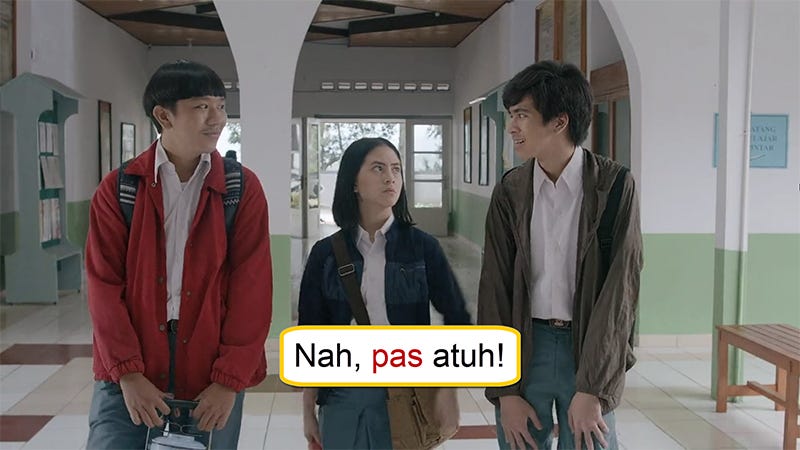
Meaning of Pas
[Pas] can have different meanings depending on the context.
The first meaning of [pas] is to fit well or be the right size. It can also mean the exact amount of something.
Examples:
Baju ini pas banget di gue. (This dress fits me perfectly.)
Tolong bayar dengan uang pas. (Please pay with the exact amount.)
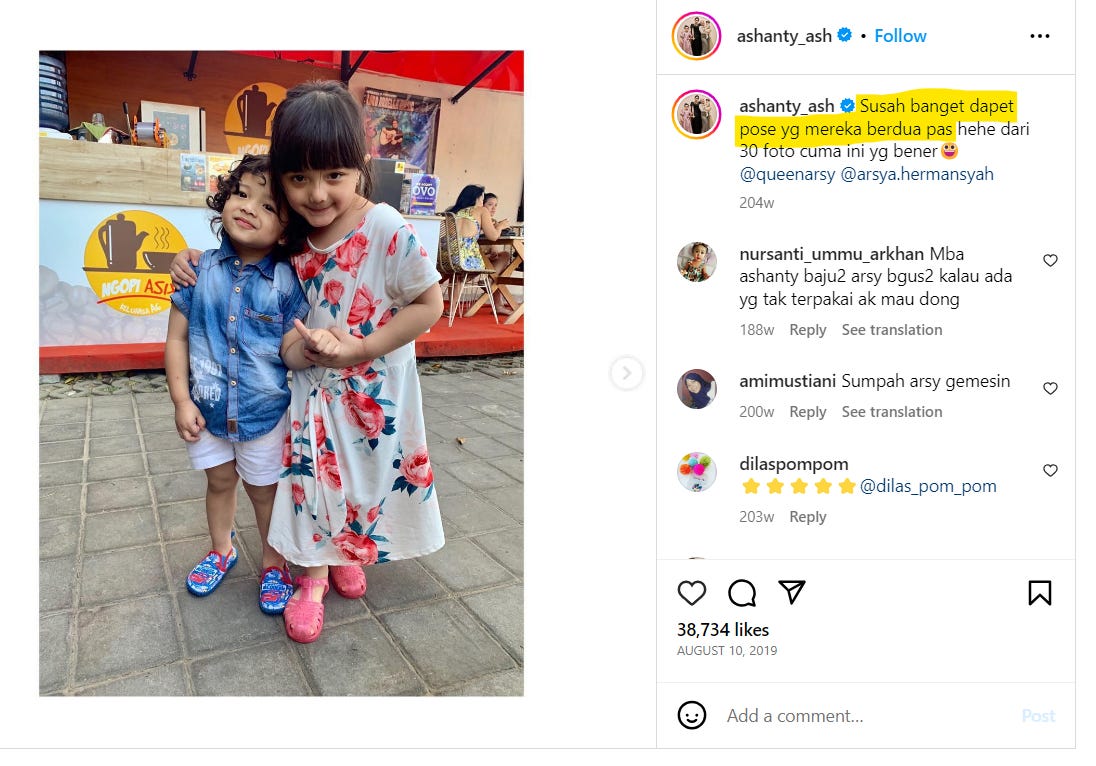
The second meaning of [pas] is to fit well with something or someone, especially in terms of appearance, position, or arrangement.
Example:
Susah banget dapet pose yang mereka berdua pas. (It’s really hard to find a pose that looks just right for the two of them.)
The third meaning of [pas] is when something happens at just the right time or when two things happen to coincide perfectly.
Example:
A: Eh, loe udah makan belum? (Hey, have you eaten yet?)
B: Belum sih. (No, not yet.)
A: Nah, pas banget! Gue juga laper banget ini. Nyari makan yuk? (Perfect timing! I’m really hungry too. Wanna go get something to eat?)
B: Ayo. (Sure.)
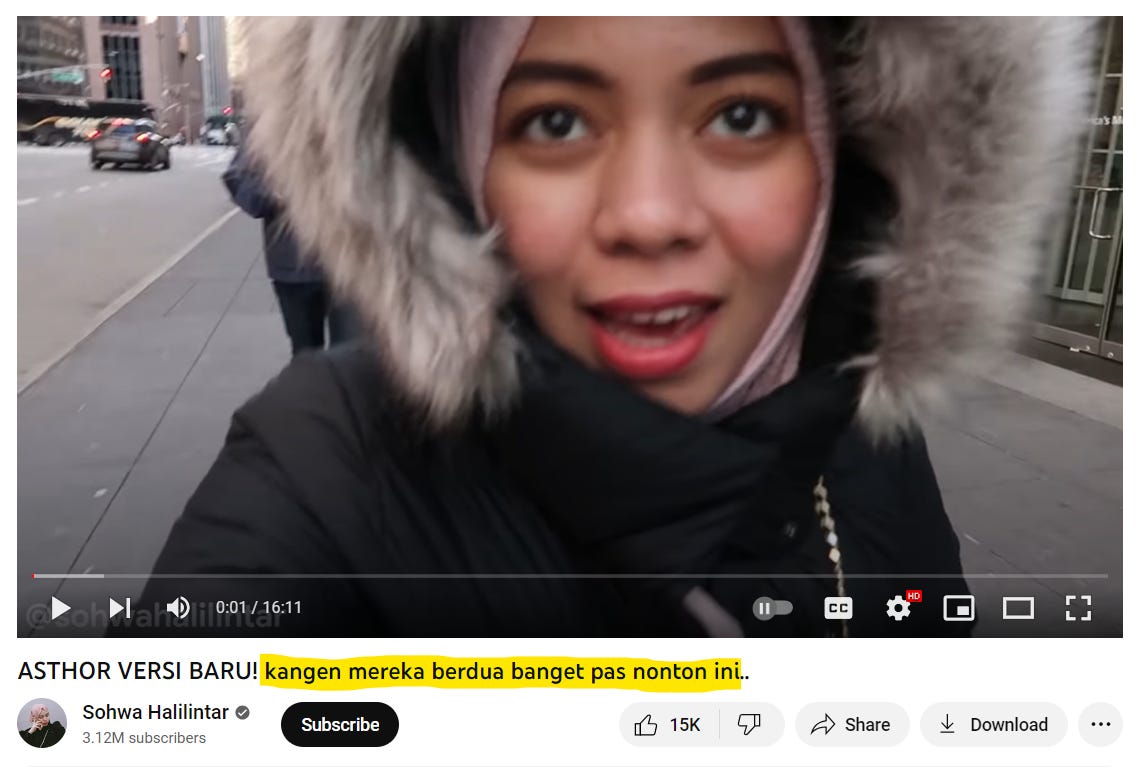
The fourth meaning of [pas] is at or during a particular time, similar to [when] in English.
Example:
Kangen mereka berdua banget pas nonton ini. (Watching this makes me really miss the two of them.)
Next, I’ll show you how to pronounce this word.
How to Pronounce Pas
This is how you pronounce the word [pas] in Bahasa Indonesia.
Let’s watch clips from movies and other media where Indonesian speakers say the word [pas] to better understand how native speakers use it.
Examples of Pas in Use
The first example we are about to watch is from Keluarga Cemara The Series, Season 1, Episode 1 (2022). Let’s watch the clip below.
Below is the transcript from the clip, along with the English translation:
Student: Pas istirahat nanti, enaknya kita beli apa ya? (What should we get for recess?)
In this scene, [pas] falls under the fourth meaning. [Pas istirahat nanti] literally means at recess.
Vocabulary From the Clip
[Istirahat] = to relax, but in this context, the word [istirahat] refers to the school’s break time.
[Nanti] = later.
[Enaknya] is used when you ask for advice from someone; like in this example, the first student asks the second student what they should buy during recess.
Example: Enaknya nasi goreng ini ditambahin apa lagi ya biar tambah enak? (What else should I add to this fried rice to make it even better?)
[Beli] = buy.
[Apa] = what.
The second example is from the same movie, Keluarga Cemara The Series, Season 1, Episode 1 (2022). Let’s watch the clip below.
Below is the transcript from the clip, along with the English translation:
Andi: Eh, Den! Kamu teh belum makan? (Hey, Den! You haven’t eaten yet?)
Deni: Oh iya, belum. (Oh, yeah. Not yet.)
Andi: Belum? Nah, pas atuh! Uwa buatin spesial buat kamu. (You haven’t? Well, perfect! My aunt made something special for you.)
Deni: Eh, meuni repot-repot. Bilangin salam sama makasih ya, Ndi? (Oh, man, you didn’t have to go to all that trouble. Say hi and say thanks to your aunt for me, Ndi, okay?)
Andi: Yoi! (You got it!)
Deni: Terbaik uwa kamu teh. (Your aunt is the best.)
Euis: Ah, Deni makan segitu mah ngga akan abis atuh? (Uh, Deni’s never gonna finish all that, is he?)
Andi: Yee, kan kita teh makannya bareng-bareng. (Come on, we’re gonna eat it together.)
Euis: Oke. (Okay.)
In this scene, the meaning of [pas] falls into the third meaning. Andi asks Deni whether Deni has eaten, and Deni answers that he has not yet eaten. So, it fits perfectly with what Andi brings that day: a meal from his aunt.
Vocabulary From the Clip
[Eh] is used to attract someone’s attention. For more about this, you can read my article: Eh in Indonesian.
[Teh] in [kamu teh belum makan?] and [terbaik uwa kamu teh] and [kan kita teh makannya bareng-bareng] come from the Sundanese language. [Teh] in this context means [itu] = that. [Kamu teh belum makan?] = [Kamu itu belum makan?] The function of [teh] or [itu] in this sentence is to emphasize the question about whether Deny has eaten or not.
[Makan] = eat.
[Belum] = yet.
[Nah] is used when, at the moment in time, you agree, or you feel something really fits. Andi feels that, at the moment, Deni has not yet eaten; a meal that he brings from home coincidentally fits. That’s why he says [nah].
[Atuh] in [nah, pas atuh] and [Deni makan segitu mah ngga akan abis atuh] come from the Sundanese language. Because the setting of the movie is in the West Java region, you hear many Sundanese words mixed with the Indonesian language. [Atuh] = dong, which doesn’t have any meaning, but its function is just to emphasize that it really fits the moment.
[Uwa] also comes from the Sundanese language. [Uwa] is an honorific title you use when addressing your father’s older brother or sister.
[Buatin] is the conversational way of saying [buatkan] = make.
[Buat kamu] = for you.
[Meuni repot-repot] = [repot-repot amat] = sorry for troubling you. [Meuni] comes from the Sundanese language, which means very.
[Bilangin] is the conversation of saying [tolong bilang] = please tell (to someone).
[Makasih] is short for [terima kasih] = thank you.
[Yoi] is used when you agree with what someone says or to reply to someone that you will do something. For more about this, you can read my article: Yoi Meaning in Bahasa.
[Segitu] refers to the number of meals that Deni brings.
[Bareng-bareng] = together.
The third example is from a TV series called Tetangga Masa Gitu (2014). Let’s watch the clip below.
Below is the transcript from the clip, along with the English translation:
Adi: Oke, di sini pas. (Okay, this spot is perfect.)
In this clip, Adi is going to draw and he finds the perfect spot to place the drawing board, and he finds the perfect spot for it. That’s why he says, “Di sini pas.” So, the meaning of pas in this clip refers to the second meaning of the word [pas] that I explained above.
If you found this article helpful and would like to support my work, you can buy me a coffee. Thank you for your support!
That’s gonna be it for now. If you have any questions, just leave them in the comments below, and I’ll be happy to answer them for you.
Thank you for reading my article, and I’ll see you soon.